Photograph could not load.
Photograph could not load.
Loading photograph…All stories
No stories found
Try another topic, location or photographer.
About
About
TOTIM is a photojournalist-driven narrative reporting platform. We license work from the archives of established and emerging visual reporters to produce immersive, long-form photo stories for publication on our website and mobile app.
We believe in the documentary photojournalist as a primary authority on the places, communities and people they cover. We also recognize the archives of these reporters as a vital store of contextual knowledge about the human experience that has been tragically neglected relative to its value.
With a team of regional editors, we select stories from a globally diverse group of documentary photojournalists with a primary focus on themes of justice, equity and identity.
TOTIM publishes original work weekly.
Mission
TOTIM exists to expose and strengthen the connective tissue that binds us as a human community.
Our goal is to provide a global audience with an empathetic connection to lives and circumstances beyond their own, thereby inspiring awareness, solidarity and informed action.
Values
Publish Stories that Create Connection: We believe in focusing on ground-level, human-centric stories, with the belief that this approach can humanize situational realities that would otherwise feel distant and abstract. We are committed to sharing impactful and nuanced storytelling that can illuminate and humanize contextual realities.
Amplify Voices from Under-represented Communities: We actively seek out photographers from marginalized and under-represented communities and highlight narratives examining how geopolitical legacies and contemporary socio-economic circumstances shape everyday life for communities, families, and individuals.
Motivate Collective Action: We believe that immersive visual storytelling has the potential to ignite a proactive spirit in our collective society, whether through direct engagement, advocacy, or other forms of social activism.
Community Collaboration: We consider this work a deeply collaborative and collective effort. We strongly encourage input and feedback.
Please reach out to us at hello@totim.org with any ideas, questions or concerns.
Editorial Policy
Selection and Review. TOTIM prioritizes reporting informed by direct connection and engagement with the people and places covered. Regional Editors identify contributors and review proposed work using their professional experience and regional expertise. The Editorial Board, in collaboration with the acting Director, makes final editorial decisions.
Commitment to Accuracy. Reporting must distinguish documented facts from recollection, interpretation and advocacy. Material claims are corroborated wherever possible while uncertainty and disputed facts are identified.
Historical Context. Photographs and accounts aim to situate the reporting within historical context as much as possible. Archival reporting is identified by original dates and locations.
Uphold Source Dignity & Safety. Editorial decisions consider the potential consequences of publication for the people depicted. Reporting must preserve sources’ dignity and agency and protect vulnerable sources.
Contributor Rights. Photographers are credited and compensated under agreed licensing terms. Their work may not be used beyond those terms.
Editorial Independence. Funders, partners and affiliated institutions do not determine story selection, framing or publication.
Transparency & Disclosure. TOTIM is responsible for its editorial decisions and for transparency in its funding relationships and reporting practices. Editorial leaders must disclose conflicts of interest and withdraw from affected decisions.
Commitment to Authenticity
The media landscape is currently confronting the rise of misinformation coupled with AI generated content. More than ever, there is a need for authentic, reliable sources of documentary information. At TOTIM we work exclusively with documentary photographers whose reputation and position in the field are well established and widely regarded.
Additionally we are committed to only publishing work that meets these criteria:
Human Authorship. Documentary photographs must originate from identifiable photographers. Narration must be recorded by human speakers. AI-generated imagery, synthetic voices and AI manipulation or enhancement of documentary photographs are not permitted.
Photographic Integrity. Conventional, non-AI adjustments to exposure, contrast, color and cropping are permitted when they preserve the integrity of the photograph. Adding, removing or materially altering depicted elements is prohibited.
Audio Integrity. Editing for clarity and duration must preserve the meaning of the original account. Misleading rearrangement and undisclosed substitution of recorded material are prohibited.
Disclosure. Contributors must accurately describe how their work was produced. Staged or reconstructed scenes must not be presented as documentary evidence. Material editorial interventions must be disclosed.
Provenance and Review. Contributors must attest to authorship and integrity and provide original files and supporting information when requested. While it is nearly impossible to fully authenticate archival photography down to the pixel, we rely on provenance and reputation of the contributor as sufficient validation of editorial accuracy.
To report a factual error or to submit a concern email us at admin@totim.org
Team
Team
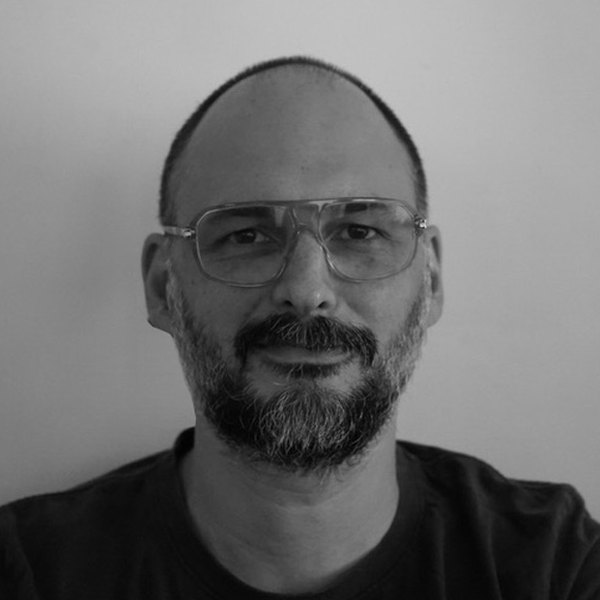
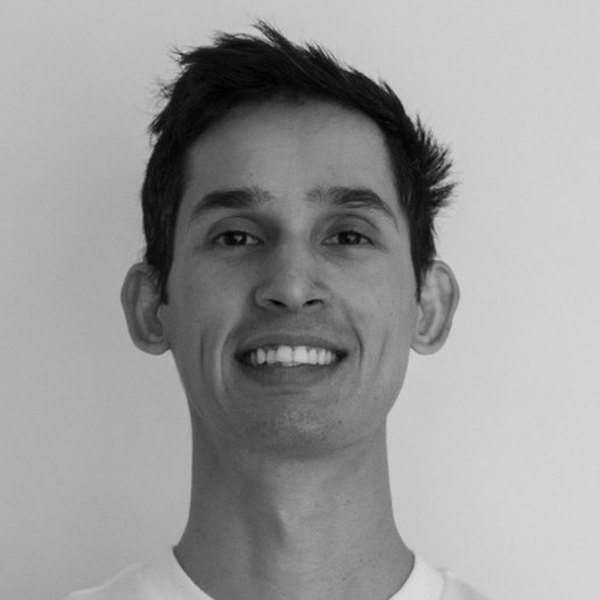

Regional Editors
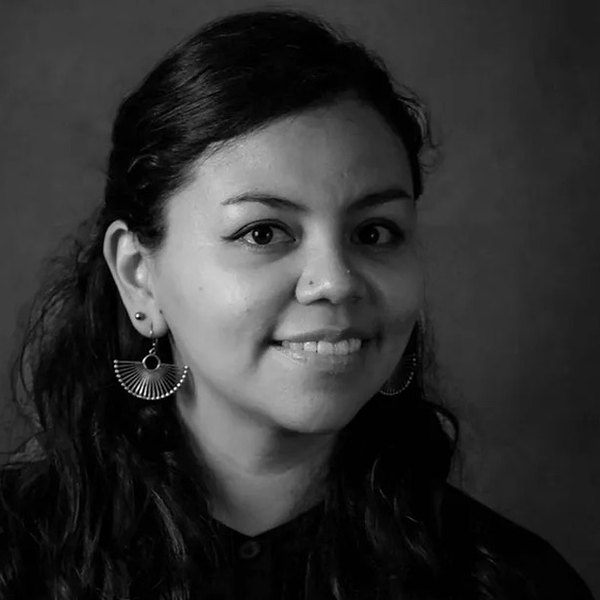
Greta Rico
Mexico City, Mexico
Mesoamerica

Gulshan Khan
Johannesburg, South Africa
Africa
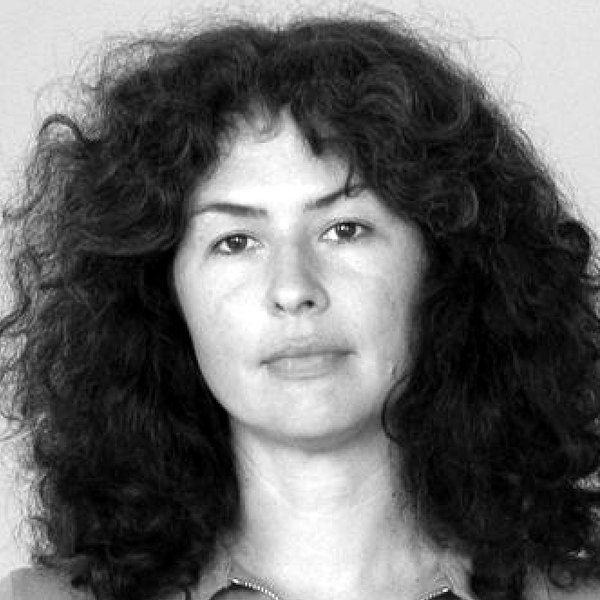
Isabella Moore
Sydney, Australia
Australia

Johis Alarcon
Quito, Ecuador
South America

K M Asad
Dhaka, Bangladesh
South Asia
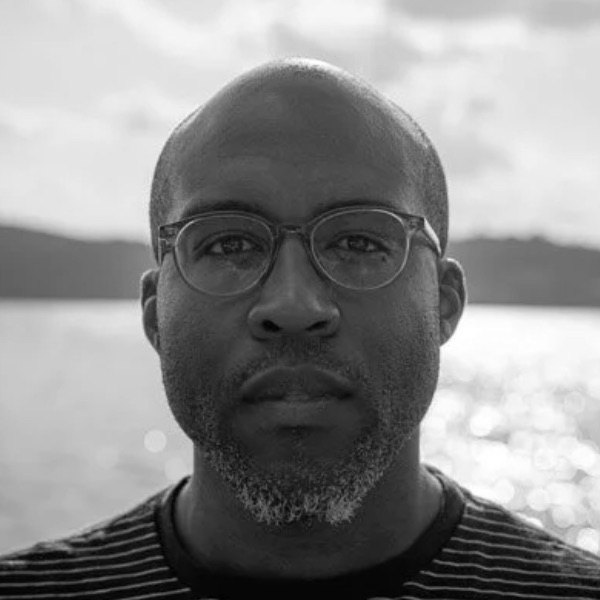
Kris Graves
NYC, USA
USA
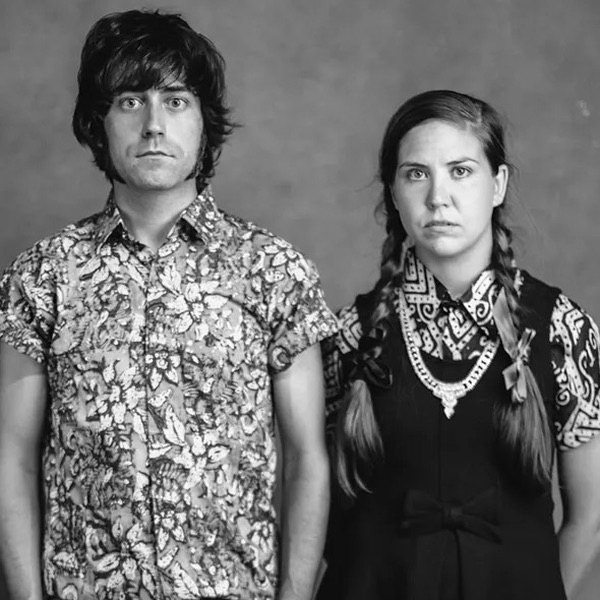
Leafhopper
David Simon, Blanca Galindo
Barcelona, Spain
Europe
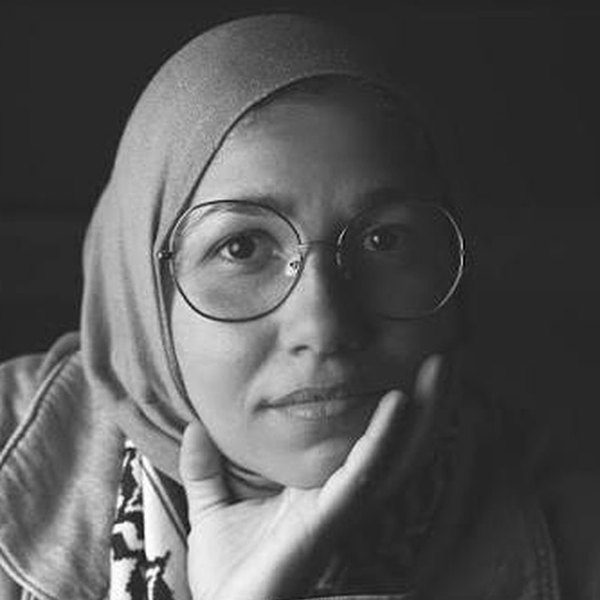
Rehab Eldalil
Cairo, Egypt
Northern Africa
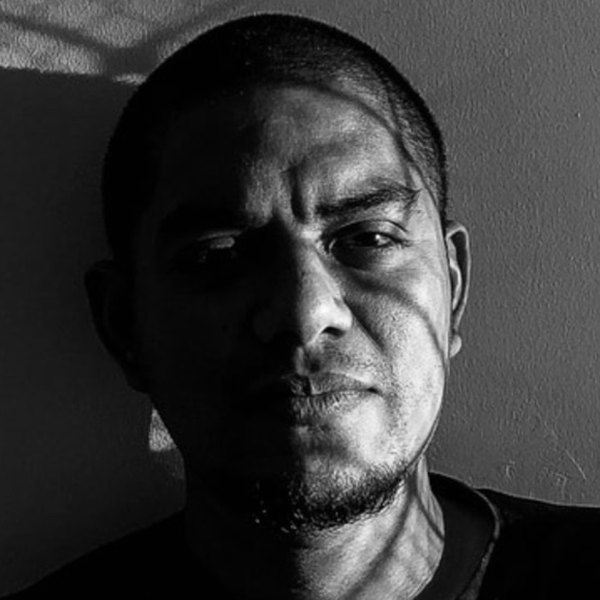
Veejay Villafranca
Manila, Philippines
South East Asia
Board of Directors

Atlas
© OpenStreetMap contributorsMap is representational, not to scale.